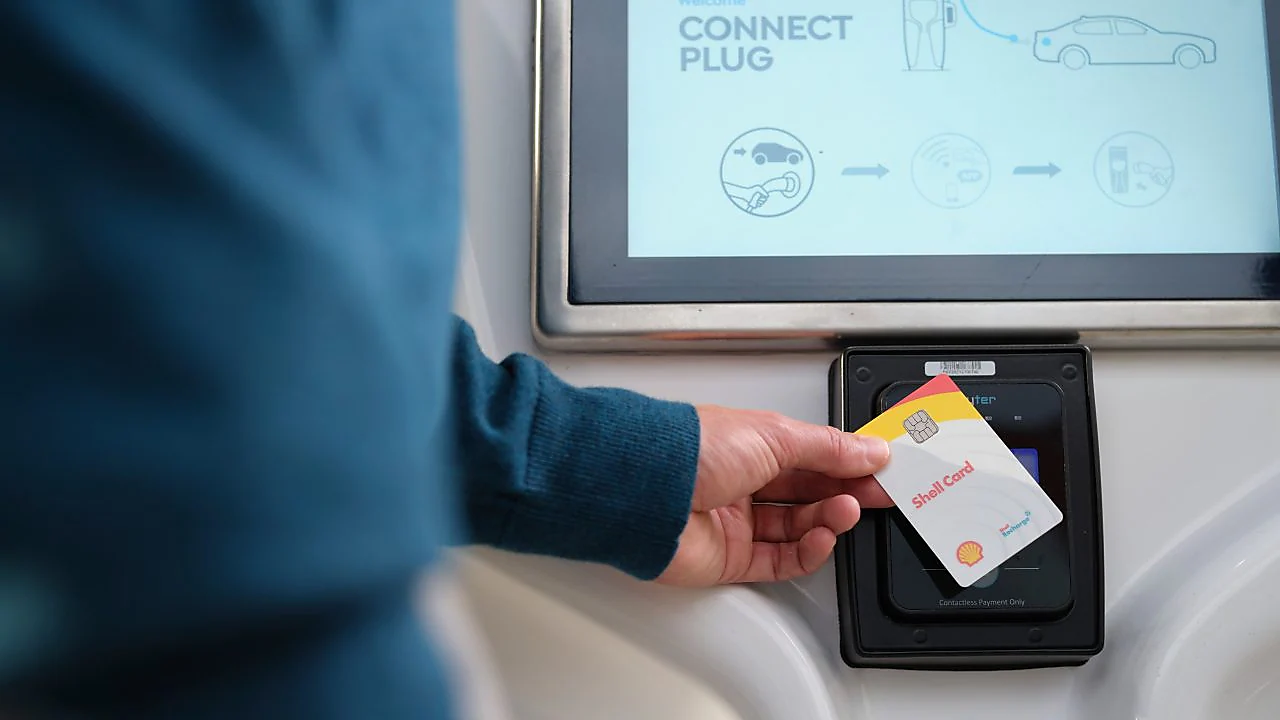
Managing a fleet of vehicles efficiently requires not only careful planning but also effective tools to streamline operations. One such tool that has become essential for businesses is the fuel card. Fuel cards simplify the purchasing process for fuel, provide detailed reporting, and help control costs. When integrated with a fleet management system, fuel cards can elevate the efficiency, accountability, and overall management of your fleet. Understanding how to integrate these systems can offer businesses both operational and financial advantages.
Understanding Fuel Cards and Their Role in Fleet Management
Fuel cards are specialized payment cards designed for vehicle-related expenses, primarily fuel purchases. They offer businesses the ability to monitor spending, restrict usage to certain types of purchases, and collect valuable data on driver habits. Fuel cards can also provide discounts or loyalty benefits at participating fuel stations, making them a cost-effective solution for businesses with multiple vehicles.
Integrating fuel cards with a fleet management system allows businesses to consolidate expense tracking, simplify billing, and gain real-time insights into fuel consumption. This integration ensures that every purchase made using a fuel card is recorded automatically in the fleet management software, eliminating manual data entry and reducing the risk of errors.
Benefits of Integrating Fuel Cards with Fleet Management Software
The integration of fuel cards with a fleet management system offers several benefits. First, it improves visibility into fuel expenses by providing detailed reports on consumption per vehicle, per driver, and per route. Fleet managers can quickly identify unusual patterns, such as excessive idling or unauthorized fuel purchases, enabling proactive management of costs.
Second, integration enhances accountability. Drivers are aware that their fuel usage is monitored and recorded, which discourages misuse. Fleet managers can set restrictions on individual fuel cards, such as limiting the amount of fuel per transaction or specifying allowed fuel types, further controlling potential misuse.
Third, integration streamlines administrative processes. Manual entry of fuel receipts is often time-consuming and prone to errors. When fuel card transactions are automatically synced with fleet management software, expense reports, tax documentation, and budgeting become more efficient. This allows finance and operations teams to focus on strategic decision-making rather than routine paperwork.
Choosing the Right Fuel Card for Integration
Not all fuel cards are compatible with every fleet management system. Before integrating, it is essential to select a fuel card that supports software integration. Many providers offer APIs or direct integration with popular fleet management platforms. Businesses should consider the network of fuel stations supported by the card, the reporting capabilities, and any additional features, such as vehicle maintenance tracking or telematics integration.
Choosing the right fuel card also involves evaluating the level of control it offers. Some cards allow managers to define spending limits, restrict purchases to certain locations, and receive instant notifications for transactions. These features enhance both security and oversight, making the integration more valuable.
Steps to Integrate Fuel Cards with a Fleet Management System
Integrating fuel cards with fleet management software requires a structured approach. The first step is to ensure compatibility between the fuel card provider and the fleet management system. Most modern systems support direct API integration, while some may require importing CSV files or using third-party middleware.
The next step is to configure the integration settings within the fleet management software. This typically involves linking individual fuel cards to specific vehicles and drivers. Accurate mapping ensures that every transaction is associated with the correct account, making reporting and analysis reliable.
Once configuration is complete, businesses should establish protocols for monitoring transactions. Alerts for unusual spending, fuel consumption thresholds, or deviations from expected usage patterns can be set up within the system. Regular audits and reconciliations help ensure that the integration is functioning as intended and that discrepancies are addressed promptly.
Training staff is another critical step. Drivers and fleet managers need to understand how the system works, including how transactions are recorded and how exceptions are handled. Proper training minimizes errors, encourages compliance, and maximizes the benefits of the integration.
Leveraging Data from Integrated Systems
One of the most powerful advantages of integrating fuel cards with fleet management software is the access to actionable data. Detailed insights into fuel consumption patterns, vehicle efficiency, and driver behavior can inform strategic decisions. For example, fleet managers can identify vehicles that consume more fuel than expected, prompting maintenance checks or driver retraining to improve efficiency.
Data from integrated systems also supports route optimization. By analyzing fuel usage across different routes, managers can identify cost-effective paths, reduce unnecessary mileage, and minimize idle time. Additionally, historical fuel consumption data can help in negotiating better rates with fuel providers or planning budgets more accurately.
Beyond cost control, integrated data can contribute to sustainability efforts. Businesses aiming to reduce carbon emissions can monitor fuel efficiency and adopt greener driving practices based on insights from the system.
Maintaining Security and Compliance
Security and compliance are critical considerations when integrating fuel cards with fleet management systems. The integration involves sensitive financial data, so ensuring that the software uses secure protocols and encryption is essential. Managers should also enforce policies on card usage, such as restricting access to authorized drivers only and setting spending limits.
Compliance with tax regulations and reporting standards is another key benefit of integration. Automatically recorded fuel transactions simplify documentation for audits and reduce the risk of penalties. Maintaining accurate records also aids in claiming tax deductions or fuel-related rebates.
Troubleshooting and Continuous Improvement
No integration is flawless at the outset. Regular monitoring and troubleshooting are necessary to address issues such as missed transactions, incorrect vehicle mapping, or connectivity problems. Fleet managers should schedule periodic reviews of fuel card data, compare it against fuel receipts, and resolve discrepancies promptly.
Continuous improvement involves analyzing the insights generated from the integrated system to refine operational strategies. Adjustments to fuel policies, route planning, and driver training can lead to further savings and efficiency. Feedback from drivers and administrative staff can also highlight areas where the system can be optimized for user experience.
Future Trends in Fleet and Fuel Card Integration
As technology advances, the integration of fuel cards with fleet management systems is becoming more sophisticated. Telematics and IoT devices now allow real-time monitoring of fuel levels, vehicle diagnostics, and driver behavior. Artificial intelligence can analyze fuel consumption patterns to suggest optimal fueling times and routes, further enhancing efficiency.
The trend toward digital wallets and contactless payments is also influencing fuel card integration. Mobile apps linked to fleet management platforms enable drivers to complete transactions securely while providing instant data to managers. This seamless experience reduces friction and increases adoption across the fleet.